
| Options |
A385R WITH AN A382 BATTERY CHARGER, HIGH CURRENT ISOLATOR |
|---|
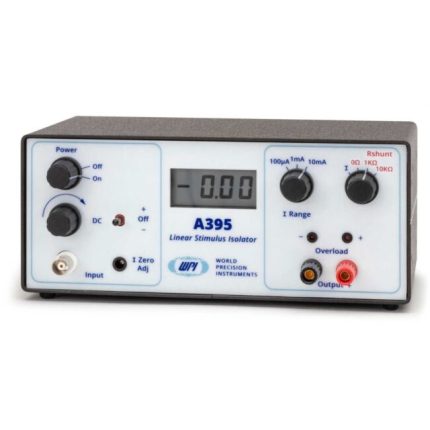
Linear Stimulus Isolator
Price range: $2,017.00 through $2,669.00
High Current Stimulus Isolator
Price range: $2,224.00 through $2,637.00
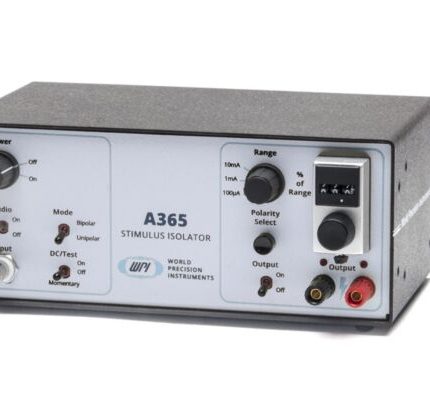
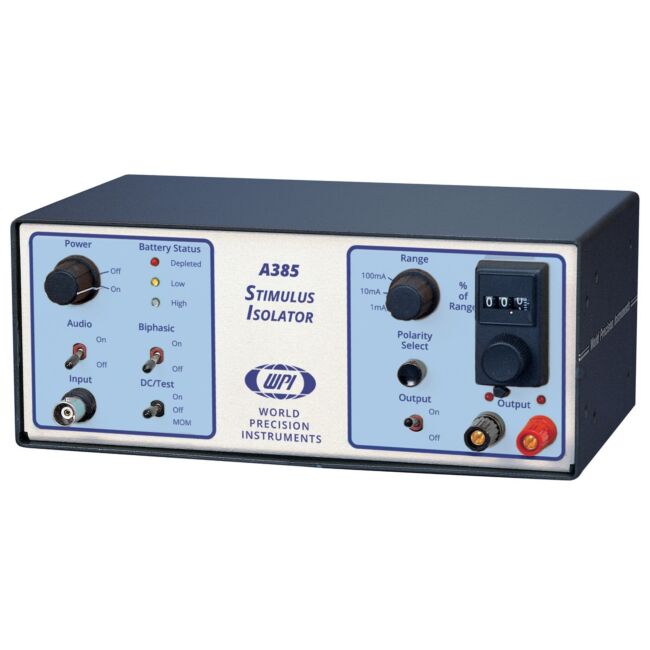
The A385 is an optically isolated current source, which can generate up to 100 mA of unipolar or biphasic constant current pulses or DC. Pulse duration is controlled manually or by an external 5V command. Output current amplitude is determined by a 3-digit 10-turn potentiometer. Maximum output voltage between the stimulating electrodes is +36V.
Additional information
Shipping & Delivery
Related products
Сatalog number:
EZ-7000
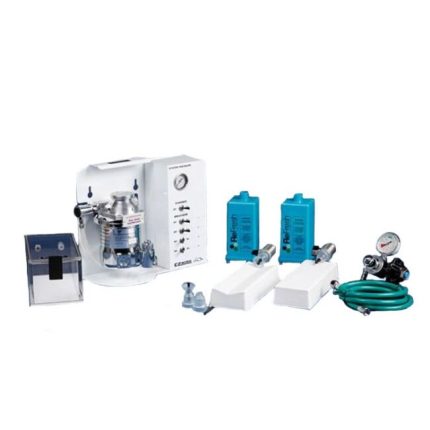
Classic Small Animal Anesthesia System
Complete small animal anesthesia system and all the accessories
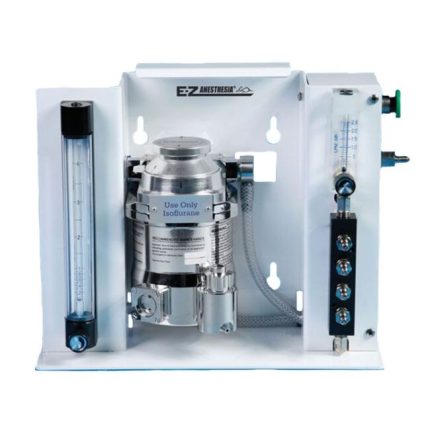
EZ Anesthesia is the system of choice for anesthetizing small animals, and it comes with a variety of choices. Animals to be anesthetized are placed in the acrylic induction chamber, and the system delivers a precisely blended mixture of oxygen and isoflurane. An activated charcoal air filter canister at the top of the chamber releases safe, filtered air back into the room. A water-heated cage warmer or warming plate (ATC2000) is used to retain the animal body temperature while in the induction chamber. After the initial anesthetizing, the animal may be moved to the heated surgical water bed and positioned properly in the snugly fitted nose cone. A highly sensitive valve regulated by the animal’s breathing works with the nose cone to ensure non-rebreathing efficiency. It allows safe anesthesia for up to several hours. The breathing device also includes an air filter that releases safe, filtered air back into the room.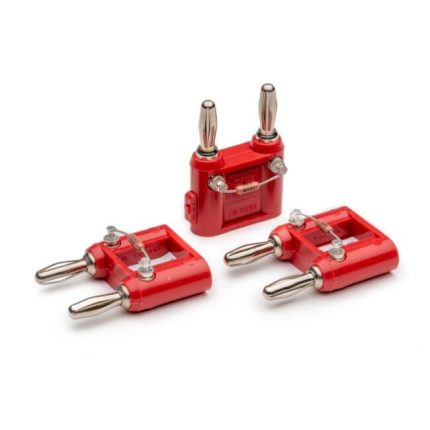
Сatalog number:
DRL
Dummy Load Resistor Kit
A365 can be used as a precise voltage source by placing a precision “dummy” resistor load across the output terminals. Precision resistors (such as the 100 Ω, 1000 Ω and 10,000 Ω resistors in WPI’s optional Dummy Load Resistor Kit #DRL) when placed across the output terminals convert the precision current levels to accurate voltage levels.
For example, 1 milliampere flowing through 1000 Ohms will produce 1 volt across the output terminal pair. Thus, models A365D and A365R can be used as low noise sources of accurate voltage pulses or DC. To maintain less than 1% error, avoid shunting the output dummy resistor with a load resistance less than 100 times the dummy resistance value.
Digital Anesthesia System
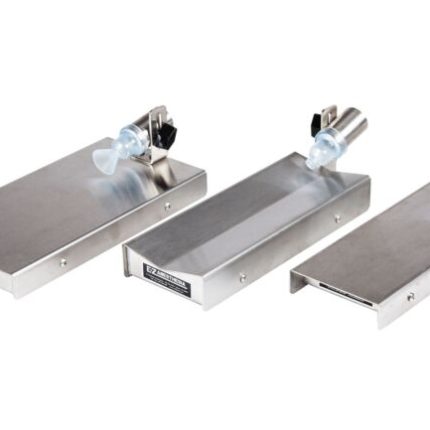
E-Z Anesthesia® has taken the vaporizer to the next level. In an era of advancing technology, people have asked for the vaporizer to follow along with the digital trend. E-Z Anesthesia has taken the best of the both worlds and combined them into a very reliable, user-friendly, state-of-the-art system. The Digital Anesthesia System, AD-5000, enhances the always reliable TEC 3 vaporizer.
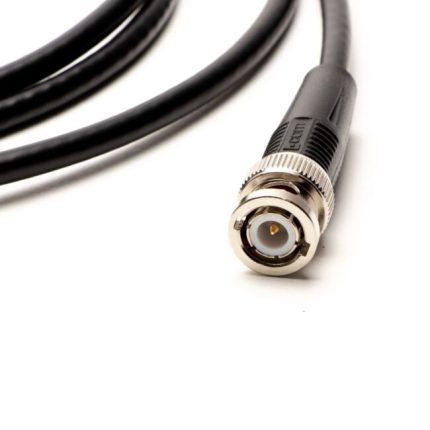
BNC to BNC Cable
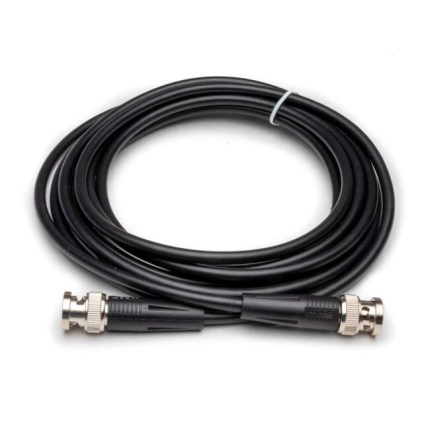
Our BNC-to-BNC Coaxial Cables come in a variety of lengths, from 6 inches to 10 feet, and work well with our electrophysiology equipment and meters. These cables have a metal, male BNC connector on both ends of the cable. BNC (Bayonet Neill-Concelmen) connectors have a bayonet-style locking mechanism that provides a secure connection. These coaxial cables have an impedance of 50 ohms (RG58U style). The cables have excellent shielding from electromagnetic interference and radio frequency interference, which is perfect for electrophysiology laboratories. The length of your cable can affect the signal quality, so choose the shortest cable that is long enough for your application. Learn More
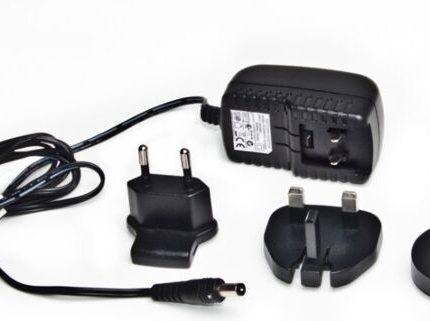
Сatalog number:
800496
Universal Power Supply (12V DC), 5.5×2.5mm
Micro Nitric Oxide Sensors
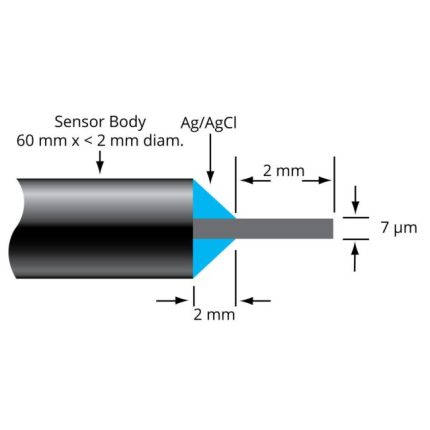
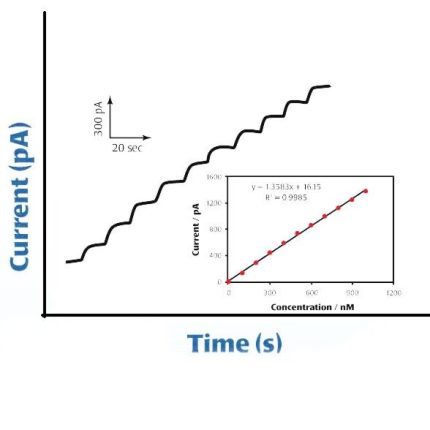
The ISO-NOP007 has a tip diameter of just 7 microns and a length of 2mm. The response is linear over a wide dynamic concentration range of NO. The design is based on a single carbon fiber coated with WPI's NO-selective membrane. A detection limit of approximately 1 nM NO makes this electrode ideal for use in tissues and microvessels.
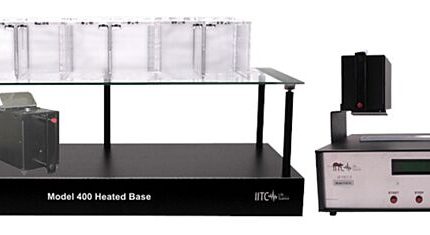
Plantar Test Analgesia Meter
his unit, which is designed for testing narcotics and strong non-narcotic drugs, offers both Plantar (Hargreaves Method) and Tail Flick testing with a single unit. Either testing system is also available individually.
II-390G : In plantar mode, the visible light/heat source is directed at the paw or other desired body part, and in tail flick mode it is directed at the subjects’ tails. Test up to 12 mice or 6 rats simultaneously.
Сatalog number:
EZ-124DV